
Nepal Flood Relief & Rebuilding Mission: Restoring Lives, Communities and Hope 🇳🇵
Standing in Solidarity with the People of Nepal
In response to the devastating floods that affected communities across Nepal, a humanitarian relief mission was undertaken to assess the situation on the ground, provide support to affected families and identify the urgent needs of communities struggling to recover.
The mission reflected the compassion and solidarity of Malaysians who came together to extend assistance to those facing unimaginable hardship.
A Challenging Journey to the Affected Communities
The humanitarian team travelled through extremely difficult mountainous terrain to reach Bidur, one of the areas severely affected by the disaster.
The journey required approximately 10 hours of travel through challenging mountain routes, with the overall mission involving approximately 15 hours of travel, according to the relief team's account.
Despite the difficult conditions, the team remained committed to reaching the affected communities and understanding the extent of the devastation.
Witnessing the Devastation Firsthand
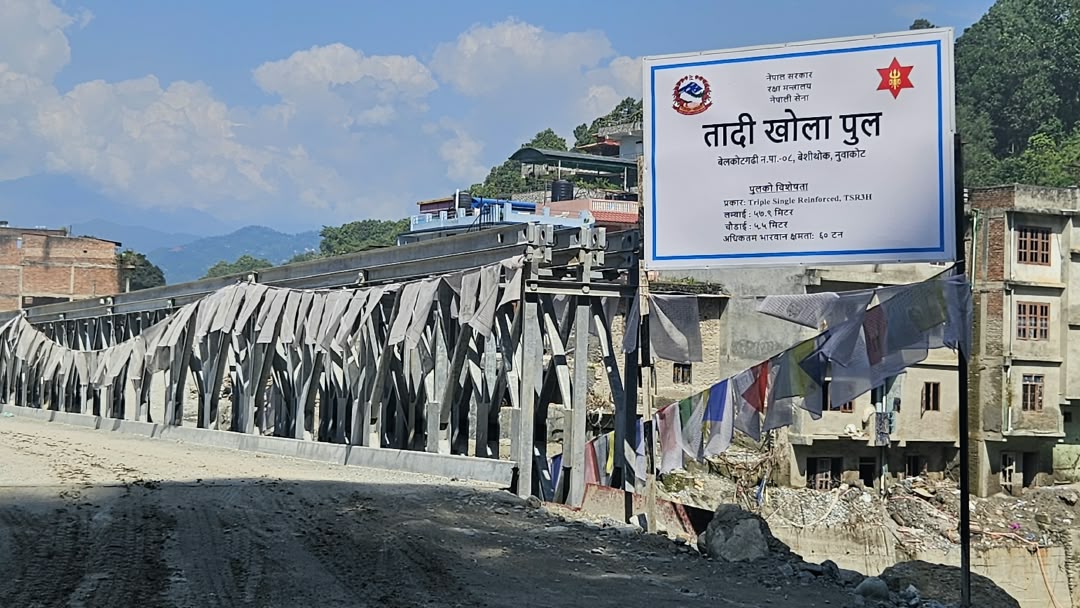
Upon arriving in the affected areas, the relief team witnessed extensive destruction to homes, infrastructure and essential transportation routes.
According to information gathered during the mission:
- 42 bridges were reported destroyed along affected routes between Dhunche and Devighat.
- 81 homes were reported destroyed in the affected communities.
- 191 lives were reported lost, including children.
- Numerous families were displaced, while damaged transportation routes left some communities isolated.
These figures reflect information reported to the mission team during its visit and should not be interpreted as independently verified national disaster statistics.
The destruction of bridges and access roads created significant challenges for affected residents, particularly families attempting to reconnect with relatives and obtain essential supplies.
In some locations, the team observed evidence suggesting that floodwaters had reached extraordinary heights, with reported levels comparable to several storeys.
Entire landscapes had been transformed, leaving communities facing the difficult task of rebuilding their homes and livelihoods.
Remembering Those Who Lost Their Lives
During the mission, the team participated in a candlelight vigil and prayers in Bidur to remember those who lost their lives in the disaster.
The gathering provided an opportunity to honour the victims, including children, and express solidarity with grieving families.
It also served as a reminder that the consequences of natural disasters extend far beyond physical destruction, affecting families and communities for years to come.
Addressing Immediate Humanitarian Needs
Despite the widespread devastation, the mission identified encouraging signs of humanitarian support.
Several relief shelters had received substantial quantities of food and essential daily supplies intended to assist affected families.
However, the team recognised that humanitarian needs would continue to evolve as communities transitioned from emergency response to long-term recovery.
With colder Himalayan weather approaching at the time of the mission, additional assistance was needed to provide:
- Warm clothing and blankets.
- Essential winter supplies.
- Safe temporary accommodation.
- Household necessities.
- Support for displaced families.
- Assistance with community reconstruction.
Beyond Emergency Relief: Rebuilding Communities
While emergency food supplies and essential necessities provide immediate assistance, sustainable recovery requires a longer-term commitment.
The destruction of bridges, homes and community infrastructure presents significant challenges to affected families.
Rebuilding efforts are essential to restoring transportation access, reconnecting isolated communities and enabling residents to resume their daily lives.
For families who lost their homes, recovery means finding safe accommodation and rebuilding their livelihoods.
For children, it means restoring access to education, stability and community support.
The mission reinforced a central humanitarian message:
Rebuilding lives. Rebuilding homes. Reconnecting communities.
Approximately RM200,000 Raised Through Malaysian Generosity
Through the generosity of donors, businesses, organisations and well-wishers, approximately RM200,000 was raised for the Nepal Flood Relief Fund.
These contributions demonstrated the commitment of Malaysians to supporting communities affected by humanitarian disasters beyond national borders.
The mission expressed its sincere appreciation to everyone who contributed financially, offered assistance or helped raise awareness.
However, the scale of destruction witnessed during the visit highlighted the need for additional resources to support longer-term rebuilding and recovery.
A Continued Commitment to Humanitarian Recovery
The Nepal Flood Relief & Rebuilding Mission highlighted the importance of sustained international solidarity during times of crisis.
Although immediate emergency response efforts provided essential assistance, affected communities continued to face challenges involving damaged infrastructure, displaced families and the loss of homes and livelihoods.
The mission called upon individuals, businesses and organisations to continue supporting recovery initiatives and to recognise that humanitarian assistance must extend beyond the initial disaster response.
From Malaysia, with compassion and solidarity, to the people of Nepal. 🇲🇾 🇳🇵
Together, we can help rebuild more than structures.
We can help rebuild lives, families and hope.
फोटो ग्यालरी
Event highlights
Photographs from this MNBC activity or engagement.